The science behind choosing the right career

Dr. V. Uma Maheswari
April 8, 2026
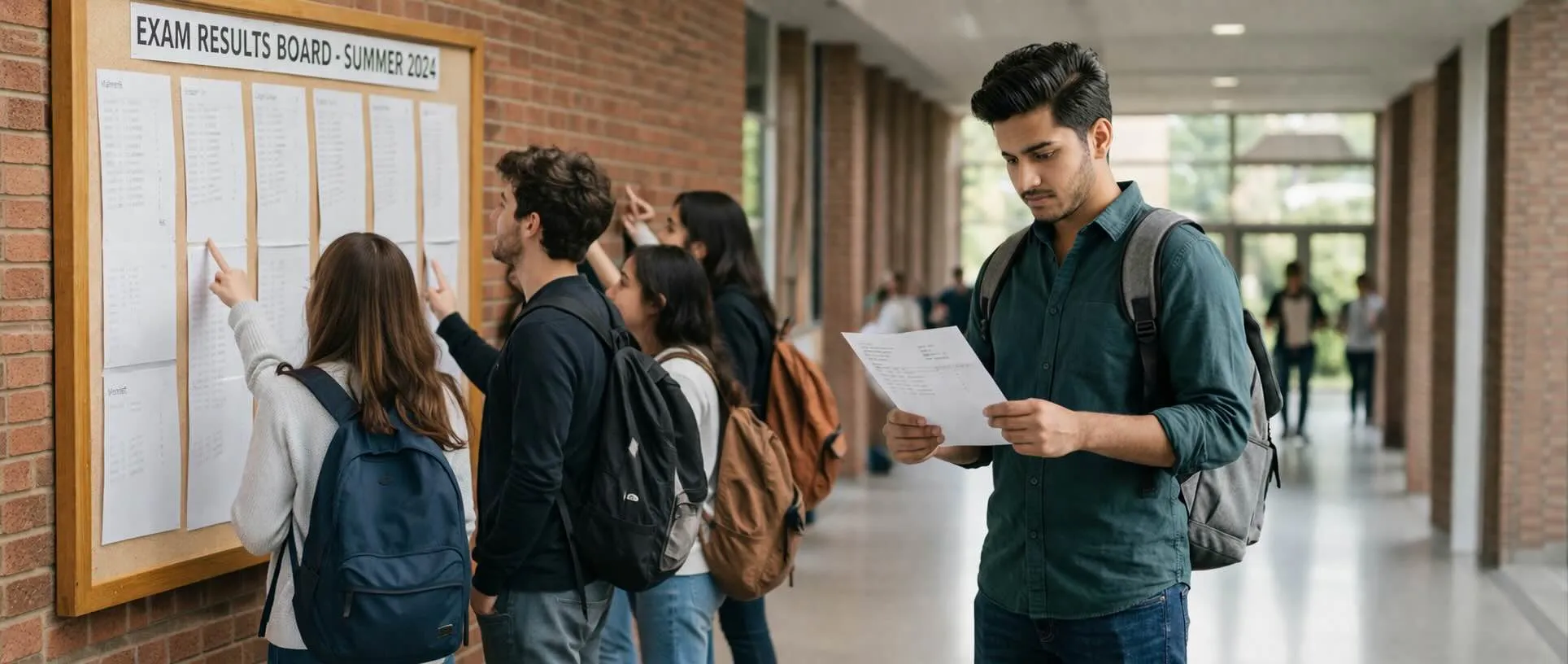
Choosing the right college after 12th grade is not just a next academic decision. It is a life-defining choice that figures out a student’s personal growth, professional trajectory, and life term satisfaction.
- A student’s potential is not defined only by intelligence, but by how effectively it is fostered within the right ecosystem.
- When a student chooses a college that aligns with their abilities and aspirations, it creates a positive feedback loop.
- Therefore, better exposure leads to better skills, which in turn leads to stronger confidence and a clearer career path.
Over time, this results in meaningful career growth, stability, and satisfaction. However, when this alignment is missing, even highly capable students may struggle. A lack of the right academic ambience, limited facilities, or absence of growth opportunities can gradually diminish motivation and curiosity in students. This is not a failure of the student, but a misalliance between student’s potential and the environment around them.
Scientifically, performance is always a function of both ability and context. Hence, ignoring the role of context often leads to underperformance and long-term dissatisfaction.
Another critical factor in this decision-making process is mentorship. The science of career guidance emphasizes the importance of external inputs in shaping choices into opportunities, especially during formative years. A good mentor can help the student to interpret their strengths, provide clarity, and connect them with the right opportunities.
However, human mentoring is not always free from bias. In some cases, guidance may be influenced by:
- Institutional affiliations
- Personal networks
- Indirect incentives
…which can unintentionally divert students from the most suitable path.
This is where the evolution of intelligent mentor systems becomes significant. These systems apply a data-driven approach to career guidance by analysing multiple dimensions such as:
- Past experiences
- Feedbacks
- Aptitude
- Interests
- Personality traits
- Market trends
Contrasting subjective advice, they offer objective, personalized, and consistent recommendations. By comparing institutions, career paths, and skill requirements scientifically, they help students make decisions based on evidence rather than perception. The right guidance at the right time can prevent years of confusion and misalignment. Mentors can inspire confidence, expose students to new opportunities, and support them in navigating complex career choices.
Common Pitfalls and Best Practices
A common mistake in career planning is choosing a college based on name or popularity without understanding what it truly offers. Many students focus on brand value or peer choices, overlooking whether the college supports their goals and learning style.
The right college is not just about reputation, but about opportunities like quality faculty, practical exposure, research, internships, and industry links. A mismatch between student needs and college focus can limit growth. A well-informed choice should ensure alignment between the college’s strengths and the student’s ambitions, interests, and future plans.
In essence, the science behind choosing a career after 12th lies in aligning three critical elements:
- Self-strengths
- Environment (Physical and academic infrastructure, facilities, exposure)
- Guidance
When these elements are aligned, students are more likely to thrive, innovate, and build fulfilling careers. When they are not, even the most talented individuals may struggle to realize their true potential. Consequently, career selection should be approached not as a one-time choice, but as a structured, evidence-based decision-making process that lays the foundation for enduring success.
When students select a college that aligns with their goals, they gain access to quality learning, meaningful exposure, and a supportive peer and faculty network. This builds not only technical competence but also critical thinking, communication skills, and self-confidence. Over time, such students are more likely to pursue the fulfilling careers they dreamt for, adapt to switch, and achieve long-term stability.
The Consequences of Misalignment
In contrast, choosing an institution without proper evaluation can have lasting consequences. A mismatch in expectations, whether in terms of academics, infrastructure, or opportunities, can lead to:
- Lack of motivation
- Confined skill development
- Lack of clarity in career direction
Professionally, this may result in underemployment, frequent career shifts, or difficulty in competing with peers from more resourceful environments. Personally, it can affect self-esteem, executive confidence, and overall satisfaction with one’s career journey.
A stimulating academic ambience plays a crucial role in shaping student performance. Access to well-equipped laboratories, updated curriculum, research opportunities, industry exposure, and intellectually engaging peer groups creates an environment where students are continuously motivated to learn and innovate. When these elements are missing, students often experience stagnation.
Example: Consider a student who excelled in problem-solving and had a strong interest in emerging technologies. If such a student joins a college with outdated lab facilities and minimal encouragement for innovation, their initial enthusiasm may fade. Without the right tools, they may begin to disengage, eventually performing below their true potential.
The Path to Success: Aptitude and Data
Another important aspect is cognitive and aptitude evaluation. Aptitude tests scientifically measure strengths in areas such as numerical ability, verbal skills, spatial reasoning, and problem-solving. These assessments help identify where a student has the highest potential to excel, reducing the chances of choosing a mismatched career path.
Equally significant is attentive mapping. Psychological models show that when students pursue careers aligned with their genuine interests, they are more engaged, productive, and satisfied in the long run. Interest-driven choices lead to intrinsic motivation, which is a key factor in long-term success.
To address external biases and societal pressures, data-driven and intelligent guidance systems are becoming ever more imperative. These systems analyse multiple factors such as student profile, career options, and market trends to provide personalized and unbiased recommendations, ensuring decisions are based on evidence.
Dr. V. Uma Maheswari
Dr. Uma Maheswari V is an Associate Professor, with over 17 years of academic and research experience. She holds a Ph.D. in CSE and specializes in AI, ML, DL, and Image processing. A prolific researcher, she has published around 60 publications extensively in Scopus and SCI-indexed journals, authored and co-authored several textbooks, and holds multiple patents in smart systems and healthcare.